
Senior Spine Health: Tips for Staying Active and Pain-Free at Any Age
January 23, 2026
Senior Spine Health: Tips for Staying Active and Pain-Free at Any Age

One of the most vital components of your body is your spine. It helps you stand, walk, bend, and move every day. As people get older, their spine can become stiff or sore. Taking care of your spine is very important so you can stay active and healthy.
One of the best ways to do this is by getting a spine health consultation
when needed. A doctor or specialist can check your spine and give you advice to prevent pain and keep your body moving.
Why Your Spine Is Important?
The vertebrae are the bones that make up the spine. These bones protect your spinal cord, which carries messages from your brain to the rest of your body. If your spine is not healthy, your body may not work as well.
You may have trouble walking, bending, or even standing up straight. Your muscles, joints, and nervous system all depend on a healthy spine. This is why spine and nervous system health is so important for seniors who want to stay independent and active.
Keep Moving Every Day
One of the best ways to keep your spine strong is to move. You do not have to run or lift heavy weights. Easy workouts like stretching, swimming, or walking can have a significant impact. Moving your body keeps your muscles strong and your spine flexible. You can also do light exercises at home to help your back and core muscles. Strong core muscles help your spine stay straight and reduce pain.
Practice Good Posture
Posture means how you sit or stand. Good posture keeps your spine in the right shape. When you sit, keep your back straight, shoulders relaxed, and feet on the floor. When you stand, keep your head up and shoulders back. Bad posture can make your spine sore over time. Practicing good posture every day can help you avoid back problems as you get older.
Stretch Your Spine
Stretching is very important for your spine. Gentle stretches can help your back muscles stay flexible and reduce stiffness. You can do stretches while sitting or standing. Simple stretches like reaching your arms above your head, bending to the side, or twisting gently can help your spine stay healthy.
Stretching also helps your nervous system work better because it keeps your body relaxed.
Take Breaks From Sitting
Your back may become stiff from prolonged sitting. If you spend a lot of time sitting, try to stand up or walk every 30 minutes. Even a short walk around the house can help your spine feel better. Moving often is very important for seniors because it keeps the spine and muscles strong and reduces pain.
Sleep and Shoes Matter
The way you sleep can affect your spine. Sleeping on a medium-firm mattress with a pillow that supports your neck helps your spine stay in a good position. Shoes are important too. Wearing shoes with good support can help your back, hips, and knees stay healthy. Poor shoes or a soft mattress can make your spine sore and uncomfortable.
Eat Healthy and Drink Water
Eating healthy foods helps your spine stay strong. Foods with calcium, vitamin D, and magnesium keep bones strong. Drinking water is also very important because your spine has discs that need water to stay soft and flexible. Fruits, vegetables, and healthy fats can reduce pain and help your muscles and bones work better. Eating well is a simple way to support your spine and nervous system health
every day.
When to See a Doctor?
Sometimes, even with good habits, your spine may feel sore or stiff. If you notice pain, numbness, weakness, or trouble moving, it is time to schedule a spinal health consultation.
A doctor or chiropractor can check your spine, find the cause of the pain, and give you exercises or treatments to help you feel better. Early care is the best way to prevent serious problems and stay active.
Everyday Tips for a Healthy Spine
Here are some simple ways to take care of your spine:
• Sit and stand straight to keep your spine aligned.
• Lift things by bending your knees, not your back.
• Move every day with light exercises or walks.
• Stretch gently to keep your muscles flexible.
• Relax and reduce stress to avoid tight muscles.
Even small changes can make a big difference in keeping your spine healthy and pain-free.
People Also Ask
1. How does the spine change as we get older?
As we age, the spine can lose flexibility and discs can shrink. Bones may become weaker, which can cause pain or stiffness.
2. What exercises help keep the spine healthy?
Walking, swimming, stretching, and gentle core exercises help strengthen muscles and keep the spine flexible.
3. When should seniors see a doctor for spine problems?
If you have constant pain, numbness, or difficulty moving, it is important to see a doctor for a spine health consultation.
4. Can posture improve spine health?
Yes. Sitting and standing correctly helps your spine stay in the right shape and reduces back pain.
5. How does nutrition affect the spine?
Healthy foods with calcium, vitamin D, magnesium, and water help bones, muscles, and discs stay strong and flexible.
Reach Out To Us
Staying active and caring for your spine can make life easier and more enjoyable as you get older. Simple habits like moving daily, stretching, eating well, and practicing good posture help prevent pain and support your whole body. If pain or stiffness happens, a professional spine health consultation can guide you with exercises and treatments to keep you moving.
At Back on Track Chiropractic, we help seniors stay active, healthy, and pain-free. Our team focuses on maintaining your spinal and nervous system health, so you can enjoy life to the fullest at any age.
Contact us
today, and let us help you get started!
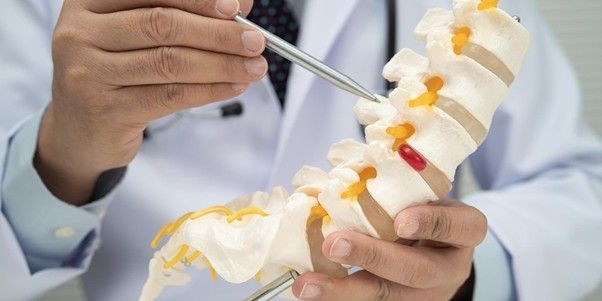
Chiropractic care helps reduce this pressure. This makes it very helpful for people who need pinched nerve treatment.

At Back On Track Chiropractic, we help people recover from car accidents and whiplash. We provide safe, gentle, and effective care.
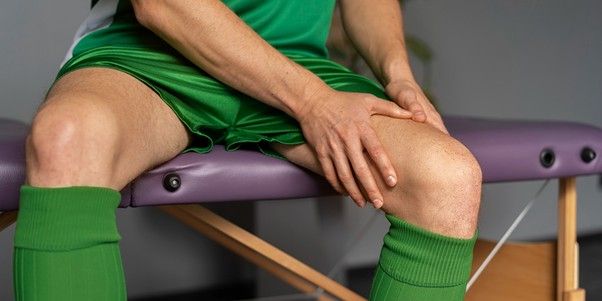
At Back On Track Chiropractic, we care about your recovery and well-being. We work with you step by step to help you feel better, move better.
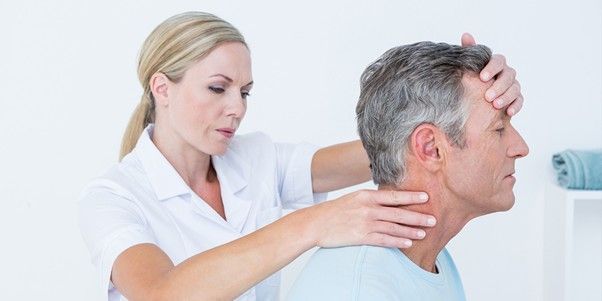
A car accident can happen very fast. One moment everything feels normal, and the next moment things feel confusing and scary.
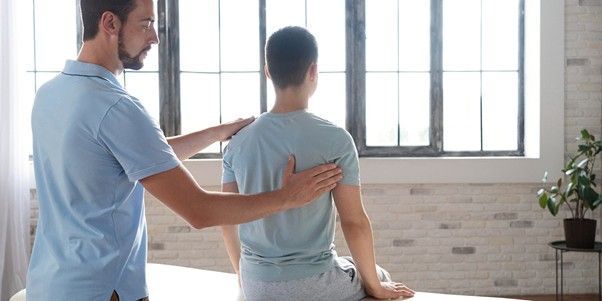
Back pain can feel like something heavy is always sitting on your back. It can make it hard to sit, stand, walk, or even sleep.
Discover the Activator Method in Collierville, TN, a gentle, low-force chiropractic technique using precise instrument adjustments for spinal and joint mobilization.
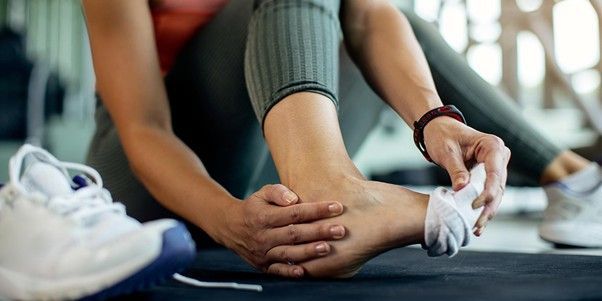
At Back on Track Chiropractic, we help you find the right orthotics and guide you in keeping your feet and body healthy.

Pain can make even simple things feel hard. Getting out of bed, tying your shoes, or playing with your kids should not hurt.

A DNA test is simple and painless, but the information it gives can be powerful. It can guide you toward better food, better exercise.

A DOT physical is a medical checkup made just for commercial drivers. The government requires it to make sure drivers are healthy enough to handle large vehicles.